


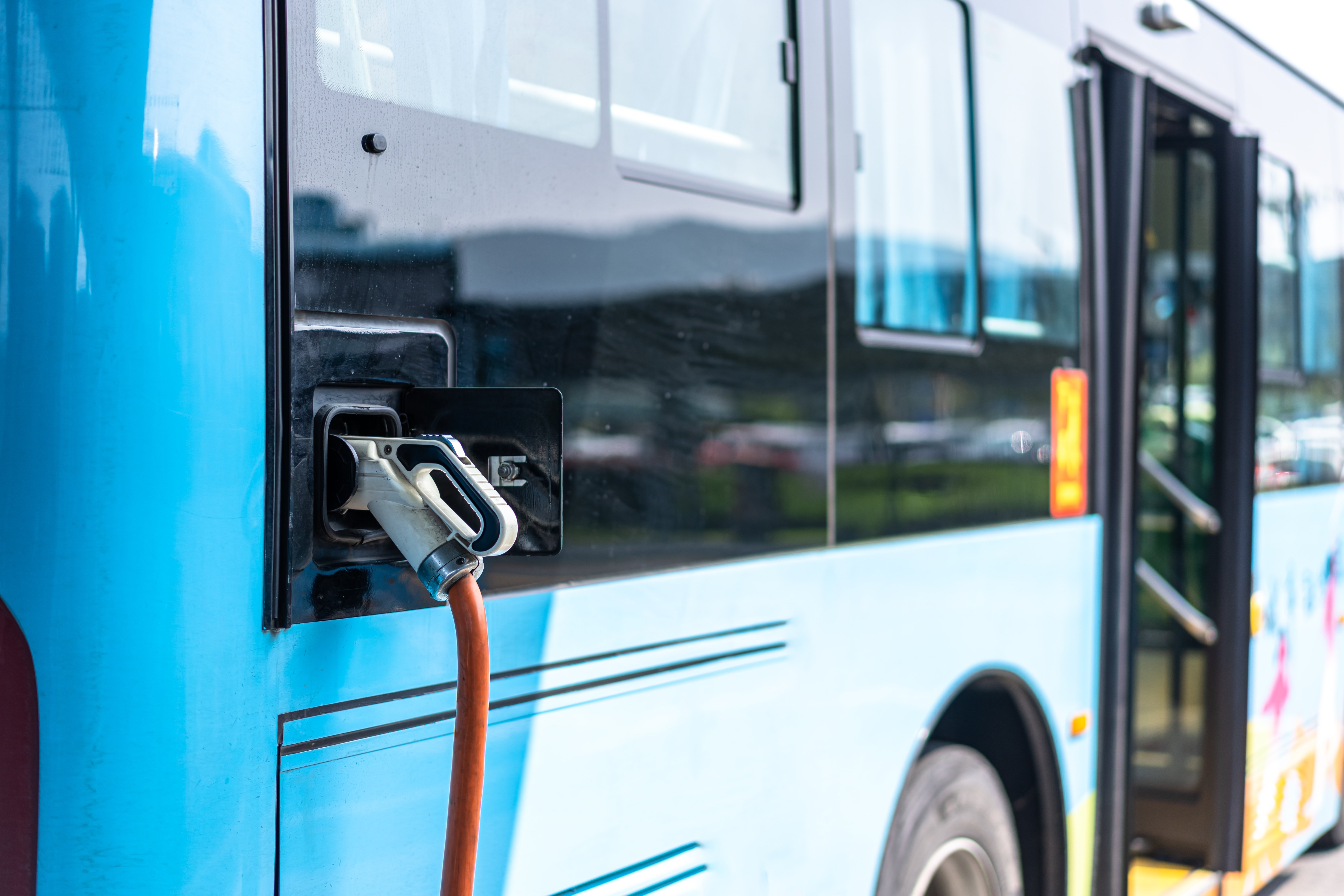
At what temperature do electric bus heat pumps lose efficiency?
Standard electric bus HVAC heat pumps typically begin losing peak thermodynamic efficiency when ambient temperatures drop below 32°F (0°C). As temperatures fall toward sub-zero conditions—specifically between 14°F and -4°F (-10°C to -20°C)—a heat pump's Coefficient of Performance (COP) can drop from a high of 3.0+ down to 1.0, where it operates no more efficiently than basic electric resistance heat.
At these severe thresholds, ambient air lacks sufficient thermal energy for standard vapor-compression cycles to extract. Without supplementary or thermal management strategies, the HVAC unit draws massive amounts of high-voltage battery energy simply to keep up with cabin setpoints, leading to severe battery range degradation.
How much battery range do electric buses lose to cabin heating in extreme cold?
In sub-zero winter conditions, standard electric bus HVAC operation can drain up to 40% to 50% of total battery pack capacity.
Unlike internal combustion engine (ICE) buses that utilize waste engine heat for cabin warming, battery electric buses (BEVs) must generate 100% of their thermal power from the traction battery. When combined with door-opening thermal dumps at transit stops or school drop-offs, the constant demand for windshield defrosting and passenger heating creates a massive auxiliary power draw, shrinking usable route range unexpectedly mid-shift.
What thermal strategies preserve EV bus range in freezing climates?
To protect battery range without sacrificing passenger safety and defrost compliance, fleet engineers utilize three core winter HVAC strategies:
- Pre-Conditioning While Tethered: Drawing grid power from the depot charger to pre-heat the cabin and battery thermal management loop to optimal operating temperatures before the bus leaves the yard.
- Auxiliary Fuel-Fired Heaters (FFHs) / Hybrid Thermal Loops: Utilizing compact, high-efficiency auxiliary heaters (biodiesel, renewable diesel, or zero-emission fuel loops) to handle extreme thermal spikes while allowing the electric powertrain to focus 100% of its energy on drive torque.
- Smart Heat Recovery & Variable-Speed Compressors: Capturing waste thermal energy from high-voltage inverters, drive motors, and battery loops, redirecting it directly into the cabin air handler.
How does engineered HVAC design improve electric fleet Total Cost of Ownership (TCO)?
Strategic HVAC system engineering ensures that electric buses maintain required route schedules year-round without requiring costly battery pack oversizing or mid-route fast-charging infrastructure.
By matching the climate control system's COP curve with smart thermal controls and proper auxiliary integration, transit agencies and school districts can:
- Eliminate Mid-Route Range Anxiety: Guarantee predictable mileage even during record cold snaps.
- Protect Battery Lifespan: Minimize high-voltage battery degradation caused by continuous high-current draws for heating.
- Ensure Regulatory Safety: Maintain mandatory windshield defrost performance and FMVSS visibility compliance during heavy snowfall.
How BCC Helps Fleets Navigate Sub-Zero Climate Control Challenges
At Bus Climate Control (BCC), our HVAC solutions are engineered specifically for North American climate extremes. Whether you operate transit, school, or commercial shuttle fleets, our customized heat pump architectures, hybrid auxiliary heating integration, and advanced thermal management systems protect both passenger comfort and vehicle range.
Explore BCC’s Electric & Hybrid HVAC Solutions or Contact Our Engineering Team to optimize your fleet for winter operations.
References & Industry Resources
- ResearchGate: Electric Bus Indoor Heat Balance in Cold Weather — In-depth thermodynamic study modeling energy transfer, heat loss through structure, and cabin thermal requirements in sub-zero winter operation.
- Combustion Engines Journal: Cabin Heating of Electric Buses — Technical analysis on heat pump COP drop-off curves, speed-controlled compressor optimization, and auxiliary thermal integration in commercial electric vehicles.
- MDPI Applied Sciences: Energy Consumption and HVAC Optimization in EV Buses — Peer-reviewed evaluation of auxiliary heating loads, heat balance methods, and range-preservation strategies in cold climates.
- Grayson Thermal Systems: Heating and Cooling the Clean Bus Journey — Industry report detailing drivetrain thermal management, passenger climate control, and zero-emission transit heating efficiency.
- Federal Transit Administration (FTA): Bus Testing Reports Database — Official FTA testing repository verifying bus performance, auxiliary energy draw, and compliance standards.