


What unique climate challenges do school-bus manufacturers face in extreme weather?
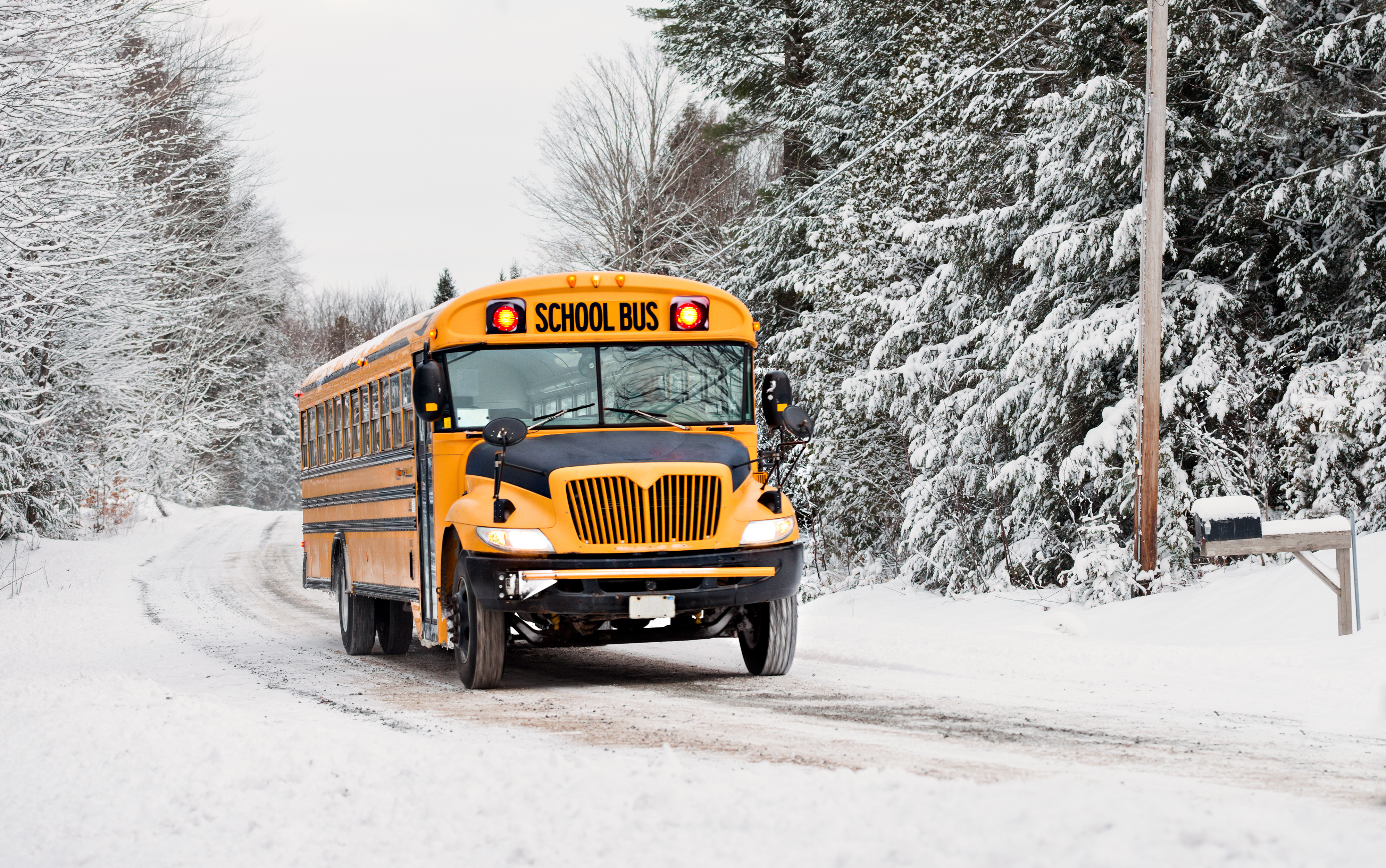
School buses operate in thermal environments that are significantly more punishing than standard commercial transit. Vehicles routinely begin pre-trip inspections during sub-zero dawn temperatures, complete frequent stop-and-go routes that exchange conditioned cabin air with outside ambient air every few hundred feet, and carry up to 70+ students who generate high internal humidity. During summer sessions or southern routes, extensive uninsulated sheet metal, large passenger glass areas, and high solar loads turn passenger compartments into heat sinks.
For original equipment manufacturers (OEMs), designing a climate control architecture requires solving three core engineering challenges:
- Immediate Windshield Defrosting & Driver Visibility: Meeting mandatory visibility requirements (such as FMVSS 103) promptly during winter sleet and snowstorms without relying on long idling periods.
- Rapid Thermal Recovery: Offsetting significant thermal losses caused by frequent passenger door cycling throughout student drop-off and pickup routes.
- Powertrain Compatibility across ICE, Hybrid, and Electric: Supplying sufficient thermal energy without overloading conventional engine belts or draining critical high-voltage battery range on electric school buses (ESBs).
What heating and defrosting architectures deliver reliable winter performance?
In sub-zero winter conditions, standard heating strategies must deliver rapid heat to both the driver cockpit and the entire passenger floorboard. School-bus manufacturers evaluate three primary heating configurations:
- Dedicated High-Performance Defrosters: Windshield defrosting cannot wait for passenger cabin air to warm up. Specifying heavy-duty, standalone defroster units with targeted ducting across the front windshield and driver-side glass clears condensation and ice quickly, ensuring compliant visibility before the bus leaves the depot. Incorporating a fixed fresh-air intake (a design proven across major OEM platforms like Thomas Built Buses) pulls in drier outside air to purge humidity from the cab glass rapidly without relying on complex, costly motorized actuators.
- Under-Seat and Stepwell Auxiliary Heaters: Hot air naturally rises, while cold air drafted through the boarding door settles directly into the stairwell and lower aisle. Strategically placed under-seat booster heaters and stepwell units introduce heat directly at passenger floor level, breaking thermal stratification and preventing cold air accumulation.
- Hybrid Thermal Loops and Fuel-Fired Auxiliary Heaters (for Electric School Buses): On battery-electric school buses, relying entirely on high-voltage electric resistance heat in sub-zero climates can drain up to 40% to 50% of the traction battery capacity. Utilizing auxiliary fuel-fired heaters (FFHs) or integrated coolant thermal loops enables the vehicle to heat the cabin and defrost windows while preserving 100% of battery capacity for route mileage.
How should school-bus manufacturers configure air conditioning for extreme heat?
To manage high passenger heat loads and substantial cabin volumes during extreme heat, manufacturers primarily choose between modular split configurations and rooftop HVAC units:
| System Architecture | Configuration & Layout | Primary OEM Advantages | Best Operating Environment |
|---|---|---|---|
| AC Split Systems | Under-floor or skirt-mounted condensers paired with interior front and rear ceiling-mounted evaporators |
|
Type A, C, and D buses with height-restricted garages, low tree canopies, or low bridges |
| Rooftop HVAC Systems | Low-profile, integrated rooftop modules housing coils, blowers, and controls |
|
Standard to large Type C and D buses and Zero-Emission Buses (ZEBs) |
Key engineering considerations across both systems include:
- High-Efficiency Compressors: Utilizing conventional open-drive compressors for ICE platforms or variable-speed hermetic electric compressors for zero-emission platforms to dynamically match cooling demand and reduce parasitic engine/battery load.
- Balanced Airflow Distribution: Front and rear ceiling evaporator setups prevent cooling pockets and ensure balanced air turnover from the driver seat to the rear bulkhead.
What role do controls and fleet diagnostics play in uptime and cost management?
School districts operate under zero-tolerance scheduling constraints; a bus with an inoperative defroster or failed cooling system cannot transport students. When configuring controls, OEMs must balance practical fleet cost constraints against the operational advantages of emerging digital architectures:
- Cost-Effective, Robust Core Controls: The school bus market remains highly price-sensitive, with heating and defroster systems predominantly relying on simple, ultra-durable manual switches, fixed fresh-air ducting, and proven analog interfaces to keep acquisition and replacement costs minimal while maximizing field reliability.
- Targeted Digital Diagnostics (OBD) & Protection: Where advanced controls are integrated—especially on high-voltage electric platforms or complex dual-evaporator AC systems—digital modules monitor system pressures, temperature sensor inputs, and blower circuits to flag maintenance faults before a vehicle misses its morning route.
- Depot Pre-Conditioning: In electric school-bus fleets, programmable control units allow operators to pre-heat or pre-cool the bus while tethered to the depot charger, ensuring the cabin reaches setpoint temperatures using grid power rather than traction battery reserves.
How BCC Supports School-Bus OEMs in Extreme-Climate Engineering
At Bus Climate Control (BCC), our heating, defrosting, and air-conditioning systems are engineered to withstand the demanding requirements of North American school bus fleets.
From heavy-duty front defrosters with fixed fresh-air designs and modular under-seat heaters to high-performance rooftop units, split AC systems, and fleet-proven control architectures, BCC provides flexible, built-to-fit thermal management solutions. Our engineering teams work alongside OEMs to optimize line installation, protect zero-emission vehicle range, and keep students comfortable and safe year-round.
Explore our complete range of OEM solutions at BCC School Bus HVAC Solutions or contact our engineering team.
References & Industry Resources
- BCC | HVAC Solutions for School Buses — Overview of BCC rooftop units, split AC systems, heaters, defrosters, and control units for school transportation.
- BCC | The Sub-Zero Threshold: How Electric Bus HVAC Systems Protect Battery Range in Winter — Engineering analysis on heat pump COP drop-off curves, battery energy consumption, and auxiliary heating strategies in cold weather.
- BCC | Smart HVAC Solutions & Product Architecture — Comprehensive guide to OEM bus climate control systems, compressors, and fleet engineering support.
- National Highway Traffic Safety Administration (NHTSA) FMVSS 103 — Federal Motor Vehicle Safety Standard 103: Windshield Defrosting and Defogging Systems (49 CFR § 571.103).
- Technology & Maintenance Council (TMC) Recommended Practices — Commercial vehicle operational and maintenance practices for cab climate control and defrost performance.